Signs Your Fire Extinguisher Needs Replacement or Professional Servicing

The Complete Guide to Leg Protection in Workplace Safety: Types, Standards, Selection, and Best Practices
December 2, 2025
Types of Footwear and Leg Protection PPE for Various Industries
January 1, 2026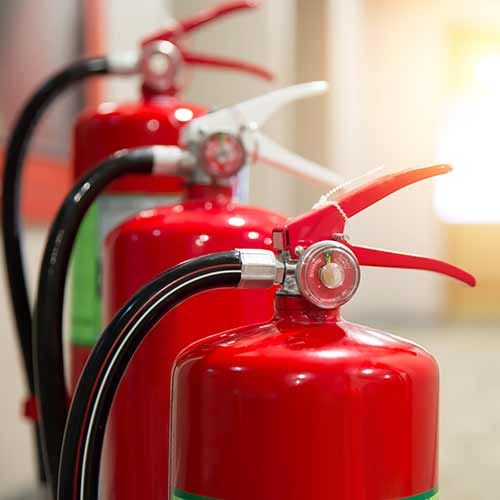
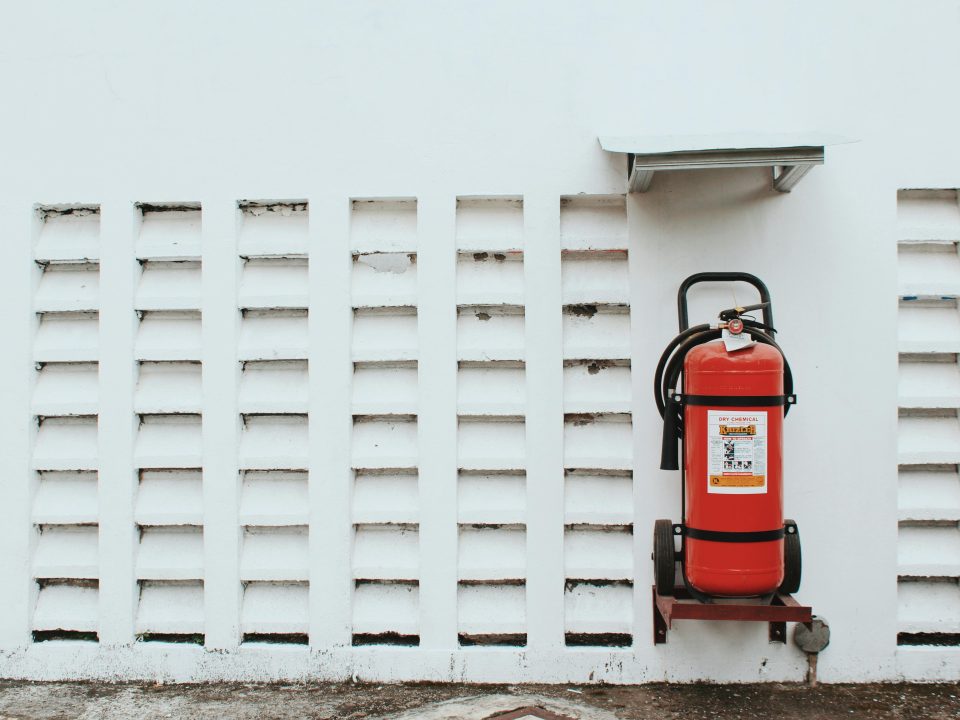
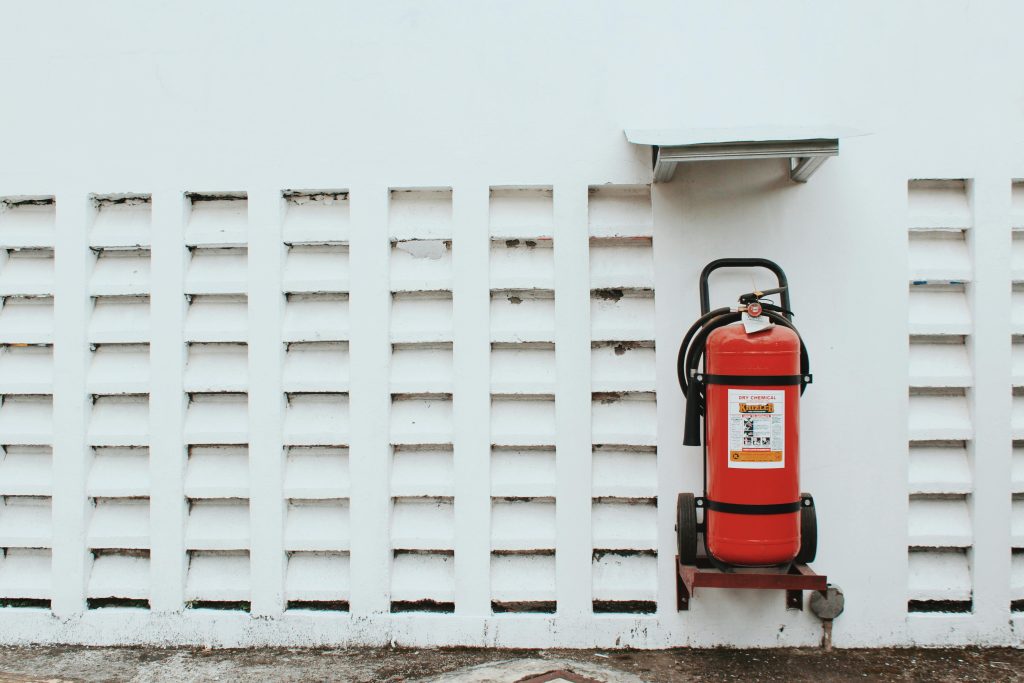
Have you ever thought that the fire extinguisher you see daily on the wall is going to work in an emergency or not? You might assume it will work properly just because it is present there. Most people assume it’s ready just because it’s been sitting there.
But in reality, there are many cases where people grabbed their extinguisher during a crisis, only to find that the pressure’s gone, the nozzle is clogged, or nothing comes out at all.
It doesn’t matter if you’re protecting a home or business. In Sri Lanka, knowing when your fire equipment needs attention could literally save lives. Regular extinguisher maintenance separates putting out a small kitchen fire from watching everything burn. In that case, consider a 1kg dry powder fire extinguisher to keep the equipment reliable for homes or smaller spaces.
Key Takeaways
- Lifespan of rechargeable and disposable extinguishers.
- Regular checks help you catch pressure issues before things go wrong.
- Annual professional inspections keep your equipment working properly.
- Broken seals, pressure issues and wrong readings mean an expert inspection is required.
Lifespan of Fire Extinguisher
They aren’t going to work the same forever. Most rechargeable ones give you 10 to 12 years, while disposable types tap out at 12 years. But how long yours lasts depends on how you treat it.
Leave it in your humid garage here in Sri Lanka, and rust will eat through it faster. Mount it somewhere cool and dry? You’ll get every year out of it. The chemicals inside slowly clump up and seal cracks, all of which you can’t see.
Critical Fire Extinguisher Replacement Signs
If you notice the following signs, then it means your equipment needs attention:
- Pressure Gauge Problems
Check that pressure gauge. The needle should be in the green zone. Below the green means pressure’s too low, and you’re getting weak spray when you need full blast. Above the green? That’s worse, overcharged cylinders can fail or explode during use.
- Physical Damage and Corrosion
Inspect your extinguisher carefully. Any dents or dings mess with the structure. Rust spots, especially around the bottom or neck, are common near the coast in Sri Lanka. That equipment’s corrosion damage isn’t just ugly; it causes complete failure during emergencies. Cracked hoses, scratched metal, or leaking powder? All bad signs.
- Broken or Missing Safety Seal
That tamper seal shows whether someone’s used the extinguisher. So, what to do if the extinguisher’s safety seal is broken? Get it recharged immediately, even if it looks fine. A broken seal means the pressure’s probably low. Missing pin? Same issue, get it fixed.
- When a Fire extinguisher inspection is required
Find the inspection sticker on your extinguisher. If it’s been over a year, you’re overdue for professional fire extinguisher servicing. If there is no tag. That’s worse, you have zero clue about its history.
Annual checkups by professionals check for all the internal stuff you can’t see, like whether the chemicals and the working of the valves.
- Clogged or Damaged Nozzle
You must know how to check the nozzle properly, look for any blockages, cracks in the rubber, loose connections, or chemical buildup.
Replacing vs. Servicing a Fire Extinguisher
Get it serviced if the pressure’s off, you’re past the yearly inspection, someone used it partially, there’s light surface rust, or the hose is loose.
Replacement time? When your disposable hits 12+ years, you’ve got serious rust, the cylinder’s dented, the handle’s busted, or a pro says it’s done.
Can a damaged extinguisher fail during an emergency? Absolutely. Don’t gamble on sketchy equipment.
Essential Fire Extinguisher Maintenance Tips
Monthly checks ensure that it is accessible, the pressure gauge is on green, there is no damage or leakage, the pin remains intact, and the instructions are readable.
Annual inspections require a certified tech who inspects components, tests pressure, checks internals, updates tags, and verifies code compliance. Every 6 years, rechargeable ones are to be emptied and refilled. At 12 years, pressure testing will determine if it continues to serve. Keep records in order to track when units must be replaced.
Special Considerations in Sri Lanka
High humidity, salt air from the coast, and the heat accelerate equipment deterioration are some of the difficulties of living in Sri Lanka. Use rust-resistant models, shield them from the sun, and collaborate with regional service providers who are familiar with our climate if you work near the coast.
Conclusion
An extinguisher is only helpful if you have maintained it properly. It’s easier to look for the warning signs once you have proper knowledge of them. The signs usually include weird pressure, visible damage, broken seals, old inspection dates, and clogged nozzles.
Have a monthly checkup schedule. And book a yearly service appointment with a professional to get your equipment checked internally. Replace the equipment when needed. If you are not sure if yours is still good, get a pro to check it today before you actually need it.
Frequently Asked Questions
- How do I know if my fire extinguisher is still good?
Simple, if there is no sign of damage. Look for any visible signs, including rust and dents. Moreover, having an inspection tag dated within the last year, and a pressure gauge in the green zone.
- What are the warning signs that a fire extinguisher should be replaced?
It’s replacement time when you see heavy rust damage, dents in the cylinder, pressure needle stuck in red, age over 12 years for disposable types, and broken handles.
- Why is annual servicing of fire extinguishers important?
Annual checkups catch the internal problems, keep you compliant with safety rules, and make sure everything inside still actually works.
- What if the fire extinguisher’s safety seal is broken?
Pull it from service immediately and call a repair service to inspect and recharge it. Do not assume that it still works.
- Can a damaged fire extinguisher fail during an emergency?
Damaged ones might either fail to spray completely, give you weak pressure that won’t stop the fire, or even burst under pressure at the moment you are trying to use them.