Understanding Safety Boots & Workplace Footwear

Understanding Fire Classes and Which Extinguisher to Use for Each (A, B, C, D, F, K Fires)
January 1, 2026
Fire Safety Training: How to Prepare Employees and Families for Fire Emergencies
January 29, 2026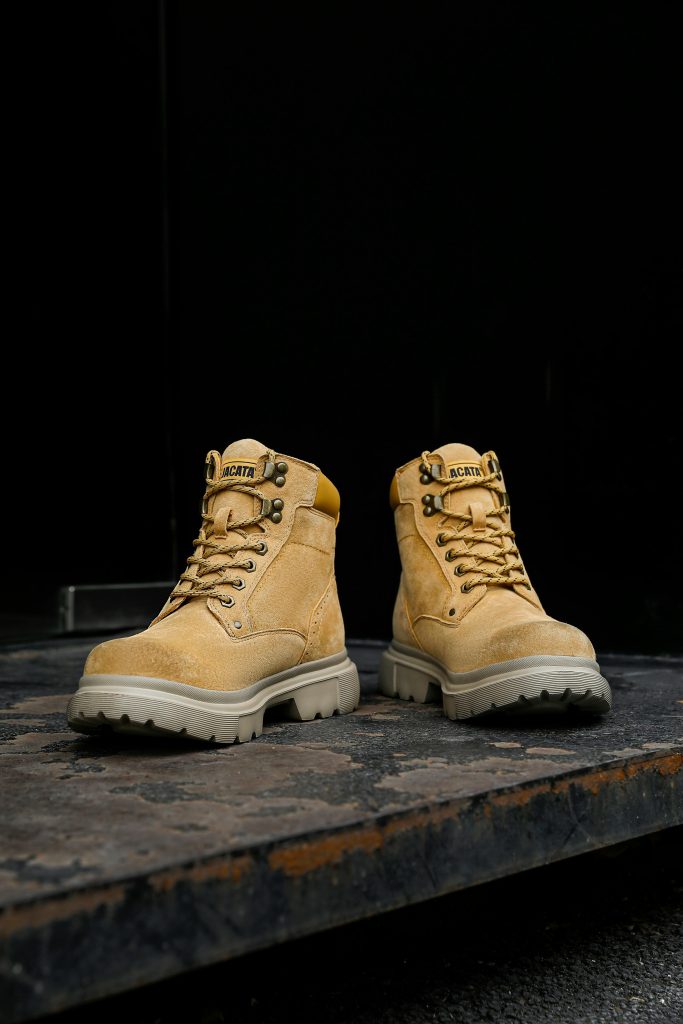
Are your workers dealing with sore feet, blisters, or constant discomfort because work boots just aren’t working for them? You’re not alone.
Choosing the right gear protects you from serious injuries. Whether you need leg and foot protection for construction or warehouse work, the right footwear makes all the difference. Let’s help you choose boots that actually work for your job.
Key Takeaways
- Safety shoes protect you from falling objects, sharp items, slippery floors, and electric shocks.
- Different jobs need different shoes. Your workplace dangers decide which type you need.
- Reasons why you should invest in quality shoes. Good industrial safety footwear last longer and saves money.
- Comfort matters. Lightweight shoes keep you fresh all day.
The Importance of Work Shoes
How many hours do your workers spend on their feet at work? For most people, it is eight hours or more. That is a lot of time.
Now think about what could hurt feet at work:
- Heavy tools or boxes falling on your toes
- Nails or broken glass on the floor
- Wet or oily surfaces that make you slip
- Electric wires that could shock you
- Hot water or chemicals spilling nearby
Normal shoes cannot handle these dangers. They are just not built for it. That is why safety shoes in Sri Lanka are a must at most job sites.
Your boss wants you to be safe. Your family wants you home in one piece. And you want to avoid pain and hospital bills. Good shoes help with all of this.
Different Jobs Need Different Shoes
Here is something people often get wrong. They think all safety footwear is the same. It is not. What safety boots are required for different workplaces? It depends on your job. Let’s break it down for you.
- Construction Work
Construction sites are tough places. The ground is rough. Heavy stuff is everywhere. Things fall all the time.
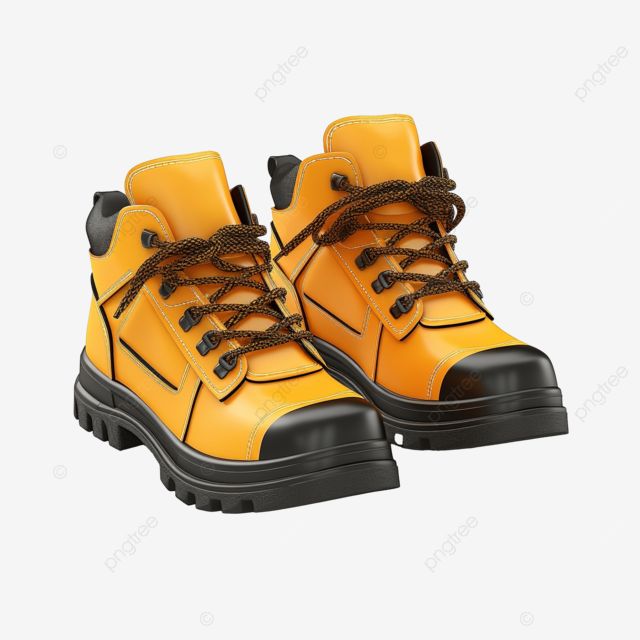
Construction shoes need to handle all of this. Steel-toe boots protect your toes from getting crushed. Thick soles stop nails from going through. Strong ankle support keeps you steady on uneven ground.
- Warehouse Jobs
Warehouses are different. You move around a lot. You lift boxes.
The best safety boots for warehouse work focus on comfort and protection. You need shoes that do not tire you out. Lightweight safety boots for men are perfect here.
- Oil and Chemical Work
These jobs have special dangers. You deal with chemicals. You work near fire risks. Spills happen.
Safety boots for the oil and gas industry work are made for this. They resist chemicals. They do not create sparks. Waterproof safety boots keep nasty liquids away from your feet.
- Electrical Jobs
Working with electricity is risky. One wrong step could shock you badly.
Safety boots for electricians have special protection. They block electricity from reaching your feet. If you work with wires or power lines, never skip this feature.
- Wet Environments
Safety boots for wet conditions have super-grippy soles. They hold onto slippery floors. They also keep water out to avoid soggy socks or surprise falls.
Shoes for Men and Shoes for Women Are Different
This is important. Men and women have different feet. Safety shoes for women are not just smaller versions of men’s shoes. Women’s safety boots for work come with:
- Narrower heels that do not slip off
- Better support for the arch
- Toe boxes that match women’s foot shape
- Lighter materials for easier movement
So when you look at safety shoes online, pick the right type for your feet. Safety shoes for men also come in many styles now. You do not have to settle for ugly or uncomfortable.
Why Lightweight Shoes Are a Game Changer
Safety shoes used to be heavy, clunky bricks that trapped your feet. Not anymore. Modern materials deliver full toe protection while keeping your feet light and free. The difference is remarkable.
Weight matters because heavy shoes cause fatigue, and tired workers make mistakes that lead to accidents. Lightweight shoes keep you fresh, improve your movement and reaction time, and keep you safer. Most importantly, comfortable shoes actually get worn, and protection only works if you’re wearing it.
How to Shop for Safety Shoes Online
It is easy to buy safety shoes online. Always check on safety marks such as SLS (Sri Lanka Standards) certification issued by SLSI or globally known standards such as EN ISO 20345 that are also acceptable in Sri Lanka.
Ensure that the shoes suit the type of hazards in your particular workplace, and do not just purchase random protective shoes. Although low-priced alternatives are tempting, quality industrial safety shoes are actually worth the investment as they can save you money in the long-term; they last longer.
Taking Care of Your Shoes
You bought good shoes. Great. Now take care of them. Clean them regularly. Dirt and chemicals can break down the materials over time. A quick wipe goes a long way.
Check them every week. Look at the toe cap. Is it damaged? Check the sole. Is it wearing thin? Look for cracks or holes anywhere.
Replace your shoes when:
- You see visible damage
- The soles are too smooth to grip
- The cushioning feels flat
- They just do not support your feet anymore
Good care means your shoes last longer. Long-lasting shoes mean more value for your money.
Conclusion
Your feet are laboring on your behalf, and therefore, take care of them. The right shoes will protect your feet against heavy objects, and they are able to avoid cuts as well as keep you stable on slippery floors.
Various occupations will require different shoes, and therefore, keep in mind the occupational risks and select the right ones.
When you need to purchase safety shoes for your crew online, keep in mind to purchase from a reputable company such as Safety First.
Frequently Asked Questions
- How do safety boots protect workers from injury?
They possess hard toe caps, which prevent crushing of the toes by heavy things. Clumsy soles are protective of sharp items. Grippy bottoms ensure falls and accidents are prevented.
- Are safety boots mandatory in workplaces?
Yes, they are needed in the majority of factories and construction sites. The kind of type you require will be told at your workplace. It is often required by law.
- What should you look for when buying workplace footwear?
Focus on fit first. Next, verify job safety procedures. Search for comfort and reliable shoe brands.
- What safety standards should work boots meet?
When buying work boots in Sri Lanka, look for the EN ISO 20345 marking, which shows the boots meet international safety standards.
- Are steel-toe boots better than composite-toe boots?
Both work well. Steel is more powerful and finer. Composite is lighter and more suitable in low temperatures. The choice of which one is better is determined by your job.