Fire Safety Training: How to Prepare Employees and Families for Fire Emergencies

Understanding Safety Boots & Workplace Footwear
January 29, 2026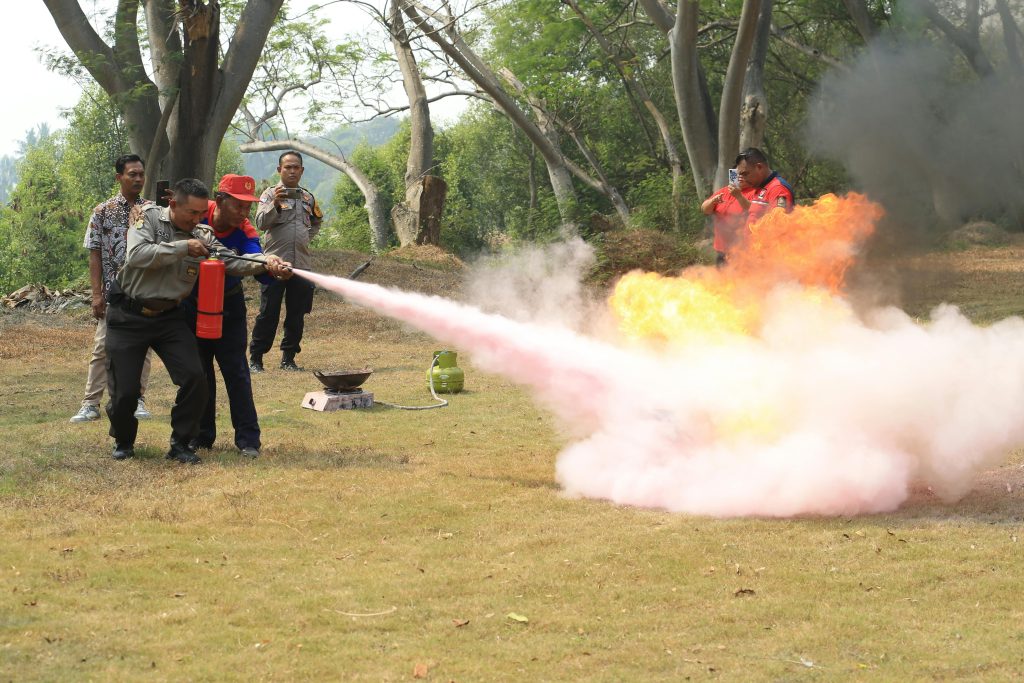
Can you honestly say your team knows what to do if a fire breaks out today? Most employees can’t. They’ve never touched an extinguisher. They don’t know which type of fire fights which fire. When real danger hits, confusion kills. Fires spread in seconds.
You need fire extinguisher training that sticks. This guide shows you how to prepare everyone before it’s too late.
Key Takeaways
- Fire safety training is required by law at most workplaces
- Different fire types need different extinguishers
- The PASS method makes using extinguishers easy
- Regular practice and drills keep you prepared
Importance of Fire Training
Fire safety training teaches you how to spot dangers. It shows you how to use fire extinguisher equipment correctly. You learn how to escape safely. Without training, people make deadly mistakes. Some throw water on electrical fires. Others panic and forget what to do.
OSHA requires companies to train workers. You must learn fire prevention. You must know safe exits. You must know how to use fire extinguishers. At home, your family needs training too. Everyone should know escape routes. Everyone should know basic extinguisher use.
Is Fire Safety Training Mandatory in the Workplace?
Yes, it is mandatory. OSHA requires all employers to train workers. This applies where fire risks exist.
Companies must train you when hired. They must train you annually. Skipping fire training at the workplace leads to fines. It puts workers at risk.
Understanding Fire Classes and Fire Extinguishers
Different fires require different extinguishers. The wrong one makes things worse. Here’s what you need to know about fire classes and extinguishers.
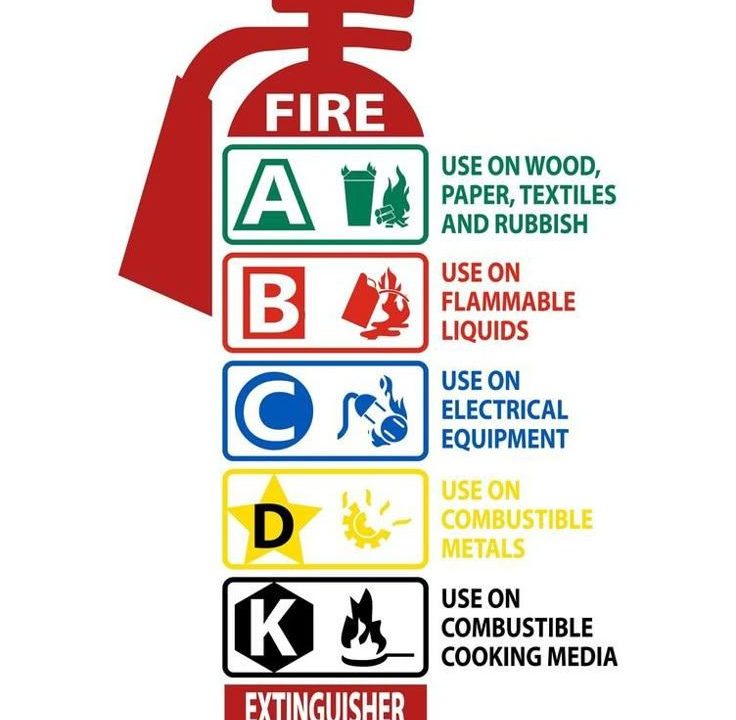
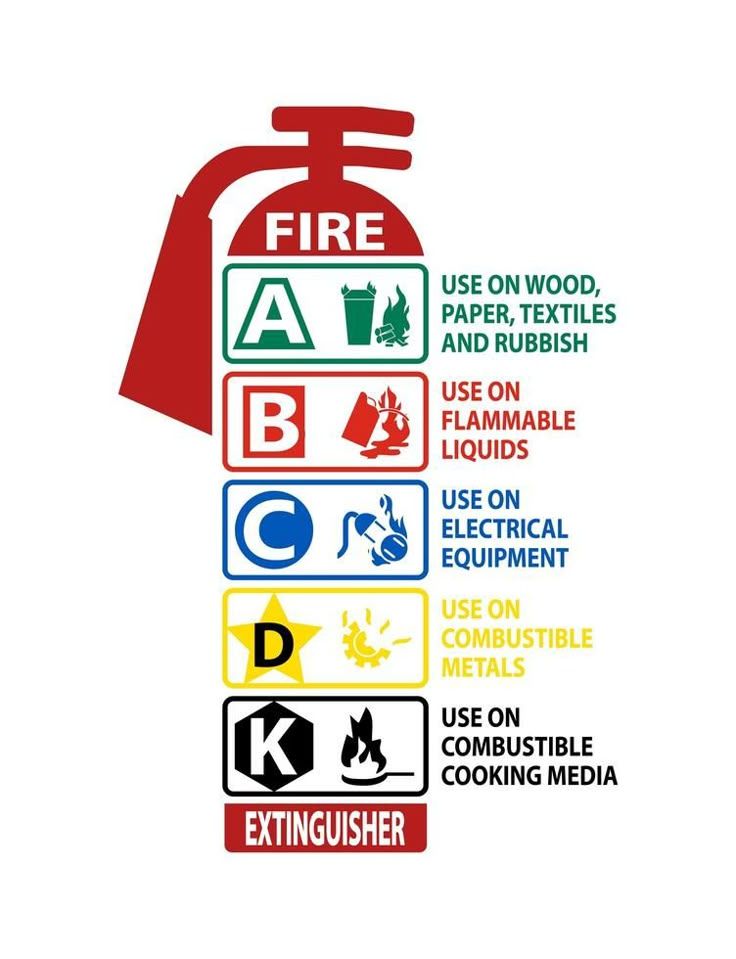
The Five Fire Classes
- Class A: Burns wood, paper, and plastic. These are common fires. Use water or ABC extinguishers.
- Class B: Burns gasoline, oil, and other liquids. Never use water. Use foam, CO2, or dry chemical extinguishers.
- Class C: Burns in electrical wires and equipment. Water will shock you. Use CO2 or dry chemical extinguishers only.
- Class D: Burns metals like magnesium. These are rare but super dangerous. You need special dry powder extinguishers.
- Class K: Burns cooking oil and grease. These get extremely hot. Use wet chemical extinguishers. They cool the fire down.
Selection of the Appropriate Fire Extinguisher
ABC extinguishers are used on most houses and offices. These operate in Class A, B, and C fires. Classes of extinguishers required in kitchens are Class K and Class D, needed in factories dealing with metal.
In Sri Lanka, the label must be checked when purchasing fire extinguishers. It will inform about what classes of fire and fire extinguishers complement each other. The place of each type at work.
How to Use a Fire Extinguisher Properly
The PASS method helps you remember the steps. Here’s fire extinguisher training step by step.
| Step | Action | Key Points |
| P – Pull | Pull the pin at the top | Sometimes you need to twist while pulling |
| A – Aim | Point at the bottom of the fire | Stand 6 to 8 feet away. Don’t aim at flames |
| S – Squeeze | Squeeze the handle steadily | Don’t pump it. Just squeeze and hold |
| S – Sweep | Move the spray back and forth | Sweep across the base until flames die out |
When not to use a fire extinguisher? Only fight small fires. Evacuate immediately if the fire is big. Leave if smoke fills the room. Leave if fire blocks your exit. Leave if you feel unsure.
What Should Be Included in Fire Safety Training?
Good workplace safety training covers essentials. Here’s your fire safety training checklist.
- Learn to spot fire dangers
- Look for overloaded outlets
- Look for blocked exits
- Look for stored chemicals
- Know your escape routes
- Know exit locations
- Know outside meeting points
Workers with disabilities need assistance plans.
Creating an Effective Fire Safety Training Program
Good training takes planning. Walk around. Look for fire hazards. Note where fires might start.
Create clear, simple training. Use pictures. Use demonstrations. Train new workers immediately. Train everyone annually. Run regular fire drills. Document all training dates.
Fire Training for Families
Your home needs fire safety, too. Draw your home layout. Showrooms and exits. Mark two exits from every room. Pick an outside meeting spot. Practice escapes twice yearly. Do night drills.
Teach kids important rules. Crawl under the smoke. Touch doors before opening. Never hide. Go straight outside. Install smoke alarms on every floor. Test monthly. Keep fire extinguishers accessible.
Common Mistakes to Avoid
One-time training fails. Schedule regular refresher sessions. Do drills. Provide hands-on practice with extinguishers. Customize training for your specific hazards. Test knowledge regularly. Update when procedures change.
Conclusion
Fire training is a life-saving skill. Study fire courses and extinguishers. Practice the PASS method. Create clear escape plans. Install high-quality fire extinguishing equipment. Train regularly.
Understand your building’s systems. Learn about fire alarms. Educate on smoke detectors and training on actual extinguishers. This builds confidence.
Frequently Asked Questions
- I panicked during a fire. How do I know which extinguisher to grab?
Look at the extinguisher tag, which could be A, B, C, or K, indicates that the extinguisher should be used to extinguish wood and liquid fire, and electrical fire.
- What if the fire extinguisher doesn’t work when I need it?
Test the pressure meter every month. The needle must be in the green zone. Inform your professionals if the extinguisher is out of date or if it is damaged.
- Why do I forget everything from fire safety training so quickly?
The majority of individuals lose the use of the PASS method in weeks. Try quarterly refreshers rather than yearly training. Do it at home with your family as well.
- Should I try to put out the fire myself or just run?
Only fight fires smaller than a trash can with a clear exit behind you. If smoke fills the room or fire spreads fast, evacuate immediately. Your life is worth more than property.
- How do I make my coworkers take fire drills seriously?
Assign specific roles to employees, like floor wardens or door checkers. Turn it into a team challenge to evacuate faster each time.