Foot Protection Safety Standards and Compliance: What Employers Need to Know

Fire Safety Training: How to Prepare Employees and Families for Fire Emergencies
January 29, 2026
Legal Requirements for Fire Extinguishers in Commercial and Residential Buildings
March 2, 2026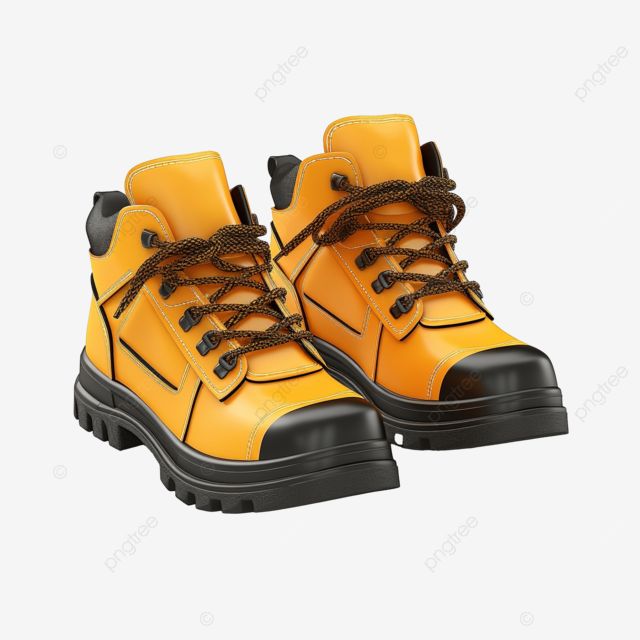
Do you know which safety shoes in Sri Lanka your workers legally need? Many employers don’t. This causes injuries. It also causes legal problems. Your employer’s duty of care requires you to protect workers’ feet. The Sri Lanka Standards Institution (SLSI) sets clear rules. So does ISO 20345. This guide explains everything simply.
We’ll cover the foot protection safety standards Sri Lanka requires. You’ll learn about industrial safety shoes and PPE regulations in 2026. Explore good leg protection solutions to see your options.
Key Takeaways
- Employers must provide footwear based on workplace hazards under OHS foot protection regulations.
- ISO 20345 is the main standard for industrial safety footwear that Sri Lankan companies must follow.
- Use risk-based safety footwear selection before buying.
- Breaking rules has consequences; footwear compliance penalties are real and costly.
Understanding Foot Protection PPE Hazard Categories
Knowing your hazards helps you pick the right leg protection for your team.
Why Check Hazards First
Look at workplace dangers before you buy safety shoes online. A factory differs from a construction site. This is step one for industrial foot injury prevention.
Common Foot Hazards
Your safety compliance checklist should include:
- Falling objects: Heavy items that crush toes
- Sharp objects: Nails, glass, metal on floors
- Electrical risks: Live wires or sparks
- Slippery floors: Wet or oily surfaces
Match Hazards to Shoes
Different hazards need different construction safety shoes. Steel toes protect against falling objects. Special soles guard against punctures. This is risk-based safety footwear selection in practice.
Safety Shoes For Sri Lanka Standards
Sri Lankan law sets clear workplace safety shoe standards that Sri Lankan employers must follow.
The Factories Ordinance
The Factories Ordinance covers employer responsibilities for safety footwear completely. If hazards exist, you must provide protection. You pay for industrial safety shoes. Not workers.
SLSI and ISO 20345 Connection
The Sri Lanka Standards Institution (SLSI) follows international rules. Most safety shoe brands use ISO 20345 safety shoe standards covering:
- Toe cap strength testing
- Slip resistance ratings
- Puncture protection levels
- Electrical safety properties
This ensures footwear safety compliance for factories across the country.
PPE Regulations Sri Lanka 2026 Updates
New PPE regulations in 2026 will add more requirements. Smart employers prepare now with better documentation and worker training.
Safety Footwear Classification Table
Choosing safety shoes for men and safety shoes for women starts with understanding ratings.
| Rating | Meaning | Protection | Best For | Key Features |
| SB | Toe Cap Basic | Basic toe protection | Light indoor work | Steel/composite toe cap only |
| S1 | Indoor Anti-Slip Safe | SB + closed heel + antistatic + energy absorption | Dry indoor environments | Oil-resistant sole, closed heel region |
| S1P | Puncture-Proof Indoor | S1 + puncture resistance | Warehouses, logistics | Penetration-resistant midsole added |
| S2 | Water-Resistant Indoor | S1 + water resistance | Light outdoor work | Water-resistant upper (60 minutes) |
| S3 | Outdoor Puncture Grip | S2 + puncture resistance + cleated sole | Construction, heavy outdoor | Full protection, aggressive tread |
Use this for OSHA foot protection standards compliance and selecting industrial safety footwear in Sri Lanka.
Employer Liability for PPE Sri Lanka
Employer liability for PPE in Sri Lanka creates serious legal duties you must follow.
Your Legal Duty
Your employer’s duty of care means preventing harm. Provide safety shoes for men and safety shoes for women equally. Workers hurt without proper shoes can take legal action.
Keep Good Records
Maintain current hazard assessment reports for all work areas. Keep purchase receipts for all approved footwear acquisitions. Record worker training logs with dates and topics covered. Document replacement dates and reasons for each pair of shoes issued.
Employer’s Legal Obligations for Providing Safety Boots
The Factories Ordinance requires employers to assess hazards, provide free safety footwear, train workers, and replace worn shoes. Breaking rules brings footwear compliance penalties that Sri Lanka enforces strictly.
Choosing the Right Safety Footwear
Your foot protection PPE hazard categories guide, which shoes each work area needs.
For Construction Sites
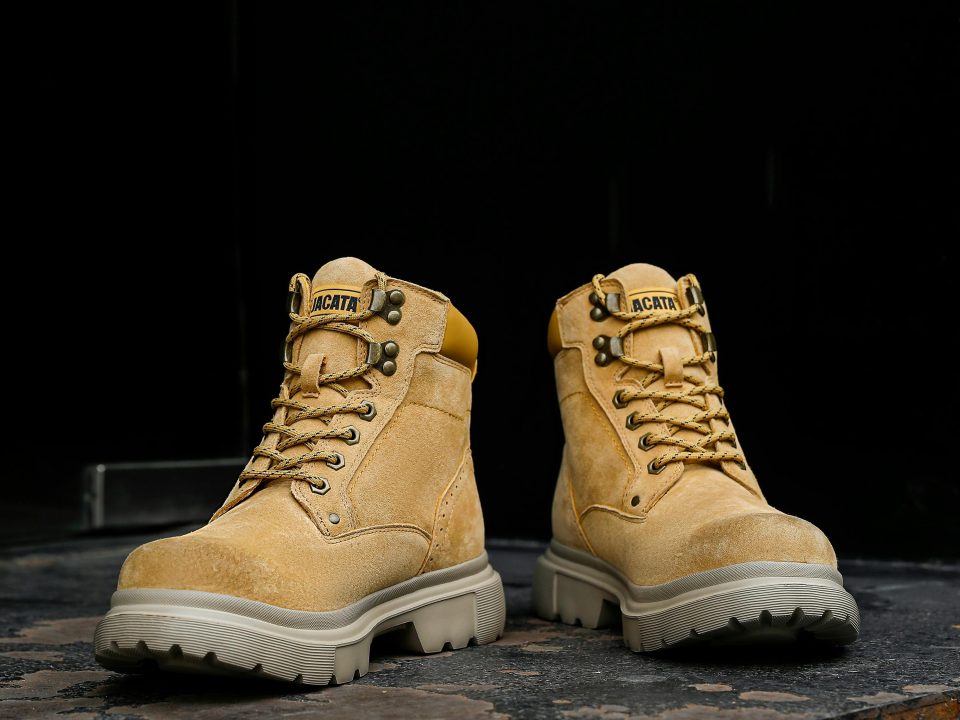
Construction safety shoes need maximum protection. Best safety boots for construction in Sri Lanka need:
- Steel or composite toe caps
- Puncture-resistant midsoles
- Slip-resistant rubber bottoms
- Strong ankle support
For Factories
Factories often need lightweight safety shoes. Workers stand all day. Comfort helps productivity. Many employers buy safety shoes online now. Check that safety shoe brands meet ISO 20345 standards.
For Special Hazards
Chemicals, extreme heat, or electricity need special leg protection. Your safety compliance checklist must address specific Sri Lankan OHS foot protection regulations.
Industrial Foot Injury Prevention
Good shoes alone don’t prevent injuries. Training and checks complete your workplace safety shoe standards Sri Lanka program.
Train Your Workers
Workers must use footwear correctly at all times. Train them on when to wear the footwear for specific hazards. Teach how to check for damage through regular inspections. Identify signs that shoes need replacing, such as cracks or worn soles. Demonstrate proper fitting methods to ensure comfort and protection.
Inspect Regularly
Check safety footwear using a set schedule. Damaged shoes don’t protect. Regular inspections support the foot protection safety standards Sri Lankan workplaces need.
Your Safety Compliance Checklist
This industrial PPE footwear standards checklist keeps you organised and legal.
Must-Have Items
Document all foot hazards in a comprehensive list. Match identified hazards to appropriate safety shoe ratings during selection. Confirm that selected brands meet SLSI standards through supplier verification. Track distribution records to document who received which shoes.
Replacement Schedule
- Weekly visual checks by workers
- Monthly supervisor inspections
- Immediate replacement of damaged shoes
- Yearly PPE requirements review
Keep records for five years. Browse good-quality leg protection equipment for replacement options.
Conclusion
Following foot protection safety standards, Sri Lanka requires keeping workers safe and you legal. Proper industrial safety shoes mean no injuries and no lawsuits.
Check your workplace for foot hazards. Review current shoes against ISO 20345 standards. Build your safety compliance checklist. Visit Safety First now. Your workers need protection.
FAQs
1. Do female factory workers need steel-toe boots in Sri Lanka?
Yes. The Factories Ordinance requires safety footwear for all workers. Safety shoes for women must meet identical standards as men’s. Gender never changes protection requirements.
2. How often must employers replace safety shoes?
No fixed timeline exists. Replace when damaged or worn. Most industrial safety shoes last 6-12 months. Replace immediately when protection drops.
3. What are employer PPE duties under the Factories Ordinance?
Assess hazards. Provide free PPE, including safety footwear. Train workers. Maintain equipment. Keep detailed records. These duties apply to every covered workplace.
4. How do footwear standards prevent injuries?
ISO 20345 sets tested protection levels. Compliant shoes block specific hazards. Proper standards create proven industrial foot injury prevention.
5. What shoes protect against electrical hazards?
EH-rated footwear with insulating soles is required. These shoes stop electrical current reaching ground. Avoid metal toe caps near electricity.