Legal Requirements for Fire Extinguishers in Commercial and Residential Buildings

Foot Protection Safety Standards and Compliance: What Employers Need to Know
March 2, 2026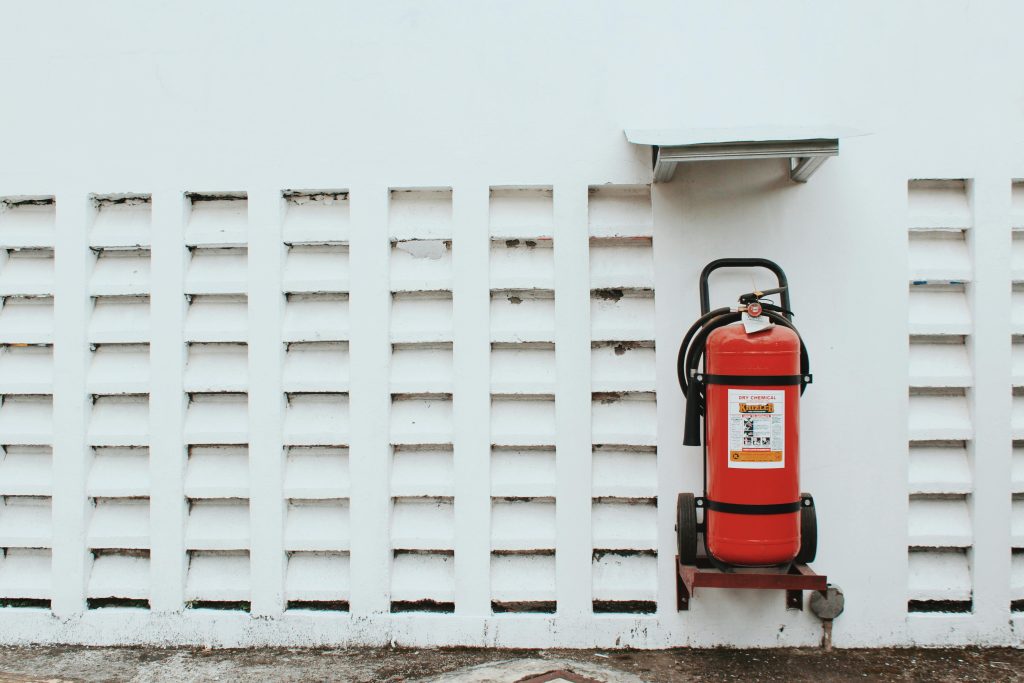
Your business can get shut down overnight by ignoring fire safety laws? Many building owners do not know the rules. Just having a red canister on the wall is not enough. You must follow strict laws for the type, place, and care of your safety gear.
Are you confused by the rules? You are not alone. It can be hard to understand local laws. This guide tells you exactly what to do. Whether you need a simple 1kg dry powder fire extinguisher or a full system, we help you stay safe.
Key Takeaways
- Businesses need a valid Fire Safety Certificate to open.
- You must pick extinguishers based on the fire risk type.
- The law requires monthly checks and yearly service.
- Staff must have proof of fire safety training.
Understanding Legal Standards
Safety laws save lives. In Sri Lanka, inspectors check these rules often.
Following CIDA Rules
CIDA fire regulations are the main rules for buildings. They tell you what safety systems you must use. You must follow the CIDA fire regulations in Sri Lanka. If you do not, you can get a big fine. The Construction Industry Development Authority (CIDA) makes sure buildings are safe.
Building Codes
The building code for fire safety in Sri Lanka uses world standards. You must plan. You cannot just buy tools and forget them. You must prove that your building’s fire safety systems work. Inspectors use a fire safety compliance checklist to check every item.
Commercial vs. Residential Rules
Homes and offices have different needs. A factory has more risks than a house.
Rules for Business
Commercial building fire extinguisher laws in Sri Lanka are strict. Every shop or office must have gear. This is the law. You must keep workers and clients safe. High-risk places like garages need more care. You must do a fire risk assessment for businesses. This finds hidden dangers.
The Safety Certificate
You need a certificate to open your doors. Fire safety certificate requirements in Sri Lanka include a strict check. The fire service department compliance team looks at your exits and alarms. You might worry about the cost of a fire safety certificate in Sri Lanka. But a fire costs much more. This paper proves you are legal.
Choosing the Right Equipment
Never use water on an electrical fire. The wrong tool makes the fire worse.
Know Your Fire Classes
You must match classes of fire and fire extinguisher types.
- Class A: Wood, paper, and cloth.
- Class B: Liquids like petrol.
- Class C: Gases.
- Electrical: Live wires.
- Class F: Cooking oil.
Knowing fire classes and extinguishers helps you buy the right fire extinguisher equipment.
| Fire Class | Best Extinguisher Type | Common Locations |
| Class A (Wood/Paper) | Water or Dry Powder | Offices, Shops |
| Class B (Liquids) | Foam or Dry Powder | Garages |
| Class Electrical | CO2 | Server Rooms |
| Class F (Oils) | Wet Chemical | Kitchens |
Installation and Placement
You must put the gear in the right place.
Where to Put a Fire Extinguisher
Fire extinguisher placement rules say gear must be easy to see. Do not hide them behind curtains. Put them near doors. The handle should be easy to reach. If you don’t know what the legal requirements are for fire extinguishers in commercial buildings in Sri Lanka? Start by making them visible.
How Many Extinguishers Do You Need?
People often ask: How many fire extinguishers does my office need according to CIDA/DEV regulations? This depends on your room size. Usually, you need one for every 200 square meters. You should have at least two on each floor.
Maintenance and Checks
Tools break over time. You must check them.
Service Schedules
Fire extinguisher maintenance schedules are laws, not suggestions.
- Monthly: Look at the pressure gauge.
- Annually, A pro must service them.
- Every 5-10 Years: Test the tank or buy a new one.
Keep a Logbook
The fire extinguisher maintenance law says you must keep a list. Inspectors will ask for it. If your fire extinguisher maintenance regulations in Sri Lanka records are empty, you fail. Use a fire extinguisher compliance checklist in Sri Lanka to write down dates.
Mandatory Training
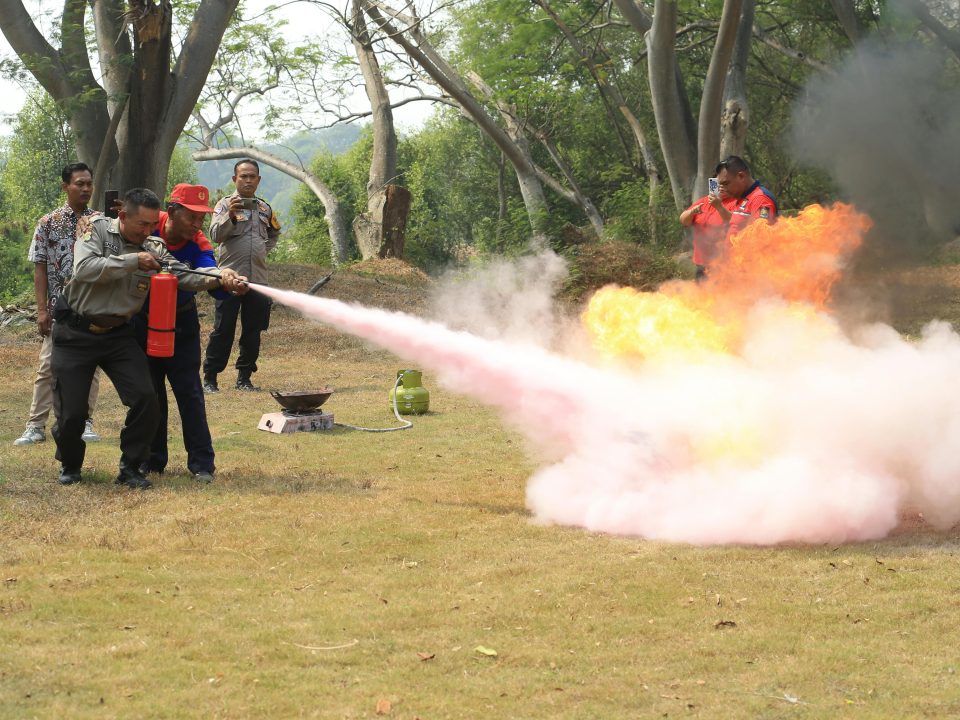
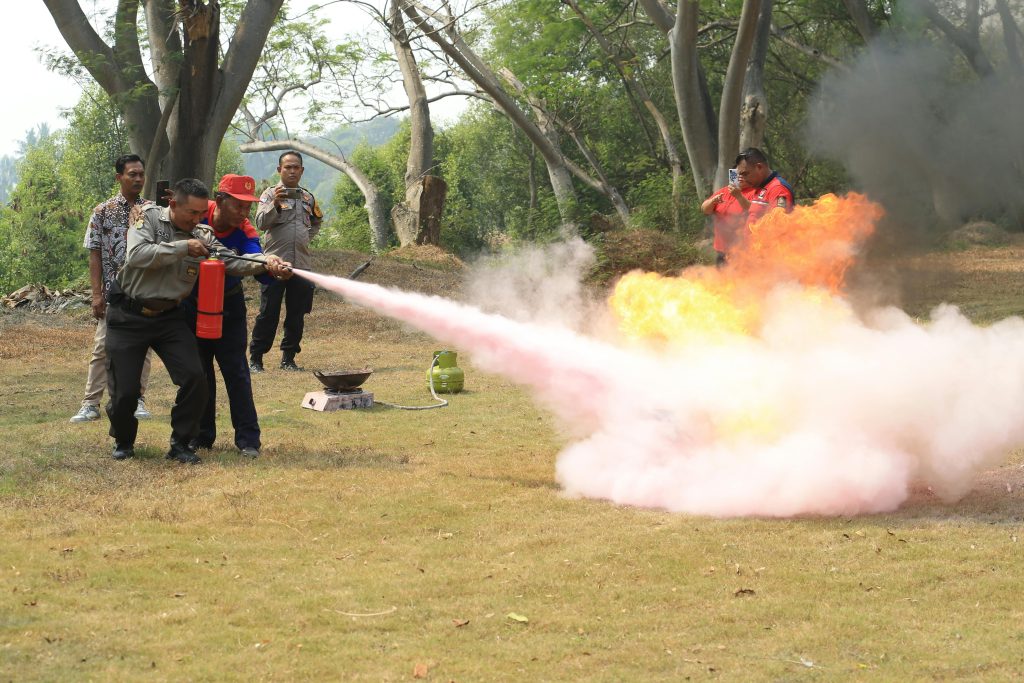
Tools are useless if you cannot use them. Fire safety training at workplace sessions is a must. You should pick a fire warden. This person leads the team to safety. Good fire safety training stops panic. Workplace fire safety training teaches you how to aim and spray. It also teaches workers when to run away.
Conclusion
Following the fire extinguisher legal requirements, Sri Lanka keeps its doors open. It keeps your people safe. Don’t just do it to avoid fines. Do it to be ready. Check your current fire safety regulations in Sri Lankan buildings. Do you have the right fire extinguishers in Sri Lanka? Is your paperwork ready?
Check your fire risk assessment for businesses now. Call a pro for fire service department compliance. Book a class for your team today.
FAQs
- How often must fire extinguishers be inspected and maintained by law?
You must check them visually every month. Also, a certified pro must service them once every year. Major testing happens every 5 to 10 years.
- Do I need a fire safety certificate to occupy a building in Sri Lanka?
Yes. You cannot legally use most business buildings without one. It proves your building meets all safety rules from the Fire Department.
- What types of fire extinguishers are legally accepted in Sri Lanka?
Sri Lanka accepts types like Water, Foam, CO2, Dry Powder, and Wet Chemical. They must meet global standards. The type depends on your specific fire risks.
- What are the penalties for non‑compliance with fire safety laws in Sri Lanka?
You can face big fines or court cases. Authorities can also shut your business down until you fix the safety issues.
- Where must fire extinguishers be placed legally in commercial premises?
Put them near exits and escape routes. Hang them about 1 meter from the floor. They must be easy to see and reach.