Maintenance, Inspection, and Replacement Tips for Leg Protection PPE

Legal Requirements for Fire Extinguishers in Commercial and Residential Buildings
March 2, 2026
Fire Extinguishers and the Law: Workplace Compliance Checklist for Business Owners
April 1, 2026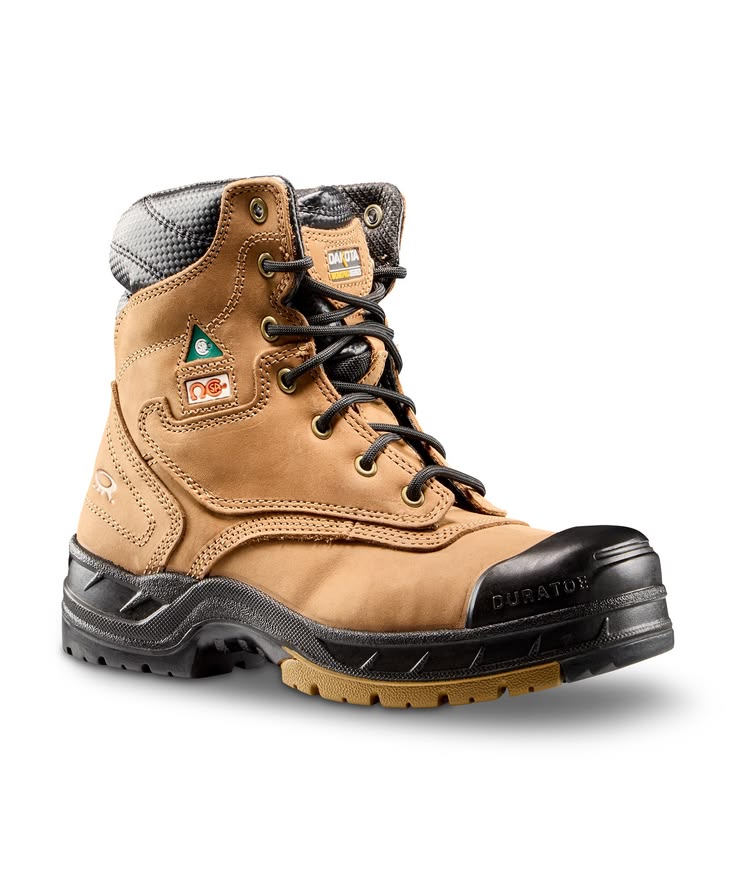
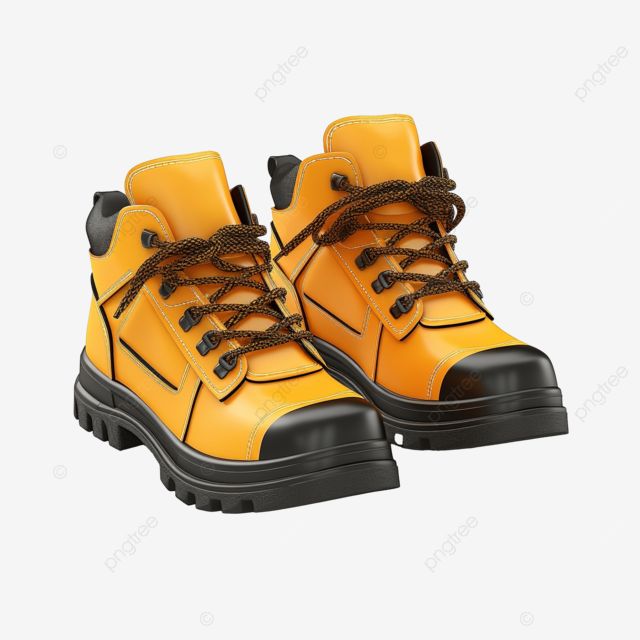
You work hard every day. You want to go home safe to your family. Your safety shoes help you do that. But even the best boots can break. If your boots are old or damaged, they cannot protect your feet. A small crack in the sole is a big problem. It could lead to a bad injury. You must take care of your gear to stay safe.
Keeping your leg protection strong is easy. You just need to clean it and check it often. You also need to know when to throw it away. If you follow these simple tips, your boots will last longer. You will also follow the safety rules.
Key Takeaways
- Cleaning your boots often stops them from breaking down too fast.
- Check your soles and toes every day to find damage early.
- Wet boots are bad; always dry them in the air, not near a fire.
- Never try to fix broken safety boots yourself; buy new ones instead.
Why Inspecting Your Industrial Safety Shoes Matters
Some workers wear their industrial safety shoes until they fall apart. This is not safe. You must check your boots often. You need to make sure they still provide impact protection and electrical insulation. If you wait until the boot breaks, you might get hurt.
Workplace Safety Shoes Standards Compliance
In Sri Lanka, we have rules for safety. We follow local laws like the Factories Ordinance and world rules like OSHA compliance. These are called Workplace Safety Shoes Standards. They are there to help you make sure your gear can handle your job. If your boots are broken, they break the rules. This is bad for you and your boss.
The Daily Leg Protection PPE Maintenance Checklist
You don’t need to be an expert to fix your gear. You just need a habit. Check your gear before and after work. This saves you money.
Cleaning Your Footwear and Guards
Dirt and mud can ruin your footwear. If you work with cement, it can dry out the leather. Then the leather cracks.
- Wipe off mud right after work.
- Use mild soap and water for spots. Do not use strong chemicals.
- Let your boots dry in the air. Never put them on a heater.
Use a Leg protection PPE maintenance checklist. This helps you remember every step.
How to Inspect Safety Boots for Damage
You need to know how to inspect safety boots for damage. Look closely at them. Don’t just look at the dirt. Look for cuts in the leather. Make sure you cannot see the lining on the inside.
Checking Toe Caps and Soles
The most important parts are the toe caps and the bottom of the boot. You might have steel caps or composite ones. Check them for dents. A dented cap is weak. It cannot save your toes a second time.
- Look at the bottom of the boot. Is the tread smooth? That is bad.
- Look for gaps between the sole and the leather.
- Press on the middle of the sole. Check your puncture-resistant midsoles.
Here is a simple table. It tells you what to do when you see damage.
| What You See | Why It Happened | What To Do |
| You see the steel toe | You rubbed the leather off. | Buy new ones. The steel can rust or move. |
| Sole crumbles | Old age or wet air. | Buy new ones. The boot is too weak. |
| Loose stitches | Wear and tear. | Fix it if small. Buy new if big. |
| Dented metatarsal guard | Something heavy hit it. | Buy new ones. It did its job. |
Care for Different Types of Gear
Different jobs need different boots. Big boots for building sites need different care than light shoes.
Construction Safety Shoes and Accessories
Construction safety shoes have a hard life. You might also use extra things like gaiters or shin guards. This is extra Leg Protection for Construction.
- Check your gaiters for holes. You don’t want them to catch on machines.
- Check your shin guards for cracks in the plastic.
- Make sure all straps work well. Your gear must stay in place.
Lightweight Safety Shoes for Men and Women
New gear is different. We now have lightweight safety shoes. They are safe but not heavy. We have safety shoes for men and safety shoes for women.
- Check the cloth for tears.
- Make sure the inside heel is not worn out.
- Check your laces. Replace them if they are fuzzy.
Sourcing and Replacing Gear in Sri Lanka
You will need new gear one day. You need to find good sellers. It can be hard to find good safety shoes in Sri Lanka. You might look for Safety Boots Sri Lanka Prices to save money. But safety is more important than price.
There are many safety shoe brands out there. You can go to a store or buy safety shoes online. It is easy to buy safety shoes online. But check the size chart first. If you need special items like Safety Leg Guards Sri Lanka or other Industrial Leg Protection PPE, find a trusted seller.
An Honest Warning
I see many people try to fix their boots with glue. Or they use tape to fix a hole. Please do not do this.
Regular glue is not strong enough. The factory uses special machines to make the boots strong. Tape cannot stop a rusty nail. If the boot is broken, it is not safe. It gives you a false feeling of safety. It is better to spend money on a new pair. Do not risk a crushed foot just to save a little money.
Conclusion
Taking care of your boots shows you are a pro. Clean them often. Check them for damage. Buy new ones when they break. This keeps you safe at work. Don’t wait for an accident to happen.
Start your cleaning routine today. If you need new boots, check out Safety First Leg Protection. Your feet carry you all day. You must protect them well. Clean your boots after every shift. Look at the soles and toes for 2 minutes every Monday. Buy new gear right away if you see deep cracks or dents.
Frequently Asked Questions
- How can I stop blisters from safety boots?
Wear moisture-wicking socks to keep feet dry. Put moleskin on spots that rub before you start work. Break in new boots slowly by wearing them inside your house first.
- Why do safety boots cause foot pain?
Hard toe caps and flat arches create pressure points during long shifts. You can add cushioned insoles. This gives you better support and stops the pain.
- Are steel toes bad in hot weather?
Yes, steel heats up fast. It feels hot and uncomfortable in warm weather. Switch to composite toes. They handle heat better and keep your feet cooler.
- How do I choose boots for wide feet?
Choose wide-fit options so your toes are not cramped. This stops blisters. Always try them on with thick work socks to get the right size.
- Which is safer, steel-toe or composite toe?
Both meet safety standards. Steel is strong and costs less. Composite is lighter and does not conduct electricity. Choose the one that fits your job risks.