The Complete Guide to Leg Protection in Workplace Safety: Types, Standards, Selection, and Best Practices

How Often Should You Inspect Your Fire Extinguisher? Key Maintenance Tips
October 31, 2025
Signs Your Fire Extinguisher Needs Replacement or Professional Servicing
December 2, 2025
Ever wondered why foot injuries keep happening despite all the safety talk? You’re standing on a construction site, working near heavy machinery, or handling hot materials, and suddenly you realise your footwear might not be enough. One falling object. One misstep. That’s all it takes.
And nobody will tell you that leg and foot injuries are still super common at work. But they don’t have to be. At Safety First, we’ve got comprehensive leg protection solutions designed to keep you safe no matter what your workplace throws at you.
Whether you’re looking to buy safety shoes online or searching for the best safety shoes price in Sri Lanka, understanding protection standards matters more than finding the cheapest option
Key Takeaways
- The right safety footwear stops injuries before they happen.
- Your boots need to meet standards to keep your toes intact.
- Worn-out protection is no protection at all.
- Match your footwear to your actual hazards.
Understanding Safety Boots & Workplace Footwear
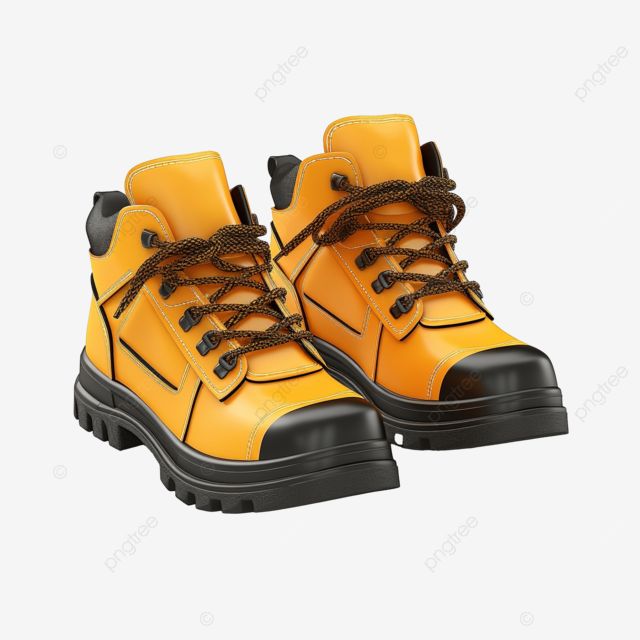
Safety footwear isn’t just thick boots. It’s actually engineered protection with reinforced toe caps that take serious hits, heat-resistant soles, puncture protection, and slip-resistant treads. Your footwear has to meet real standards set by ANSI.
Think of as your armour against falling stuff, sharp objects, electrical shocks, and slippery floors.
Types of Footwear and Leg Protection PPE for Various Industries
Different jobs demand different protection. Here’s what you need:
Safety-Toed Shoes or Boots
These are your basics, industrial safety shoes that protect against falling, crushing, or rolling hazards with steel, composite, or alloy toe options. Construction safety shoes are essential in building sites, manufacturing, and warehousing. Check out quality safety shoes for solid toe protection.
Metatarsal Guard Boots
Think of these as safety boots with superpowers. Protection goes beyond your toes straight up to your ankle. You need these in foundries, around heavy equipment, or when welding. Pick internal guards that hide inside or external guards that cover the outside.
Electrical Hazard Footwear
Non-conductive design stops you from becoming part of an electrical circuit. Works against circuits up to 600 volts in dry conditions, but listen, you need other protective gear too. These alone won’t cut it.
Conductive Shoes
These work backwards from electrical hazard footwear. They stop static buildup in places like grain elevators or explosives plants. Big catch: take them off when you’re done with that specific task.
Foundry Shoes
Built to stop hot metal from getting into eyelets, tongues, or other openings. They’ve got leather or rubber soles plus safety toes that keep extreme heat away from your feet. Also, check out PVC gum boots if you’re dealing with wet or chemical-heavy spots.
Leggings
Cover your lower legs and feet from heat like molten metal or welding sparks. Safety snaps let you rip them off fast if needed. Must-have for welders and metal workers. Browse additional leg protection options for more specialised gear.
Choosing the Right Safety Shoes and Boots Based on Workplace Hazards
Buying the wrong safety footwear is like wearing a helmet with holes. False confidence while you’re actually exposed.
Start with a Hazard Assessment
Figure out what can hurt your feet: falling stuff, sharp materials, electrical equipment, hot surfaces, slippery floors. Your employer should assess the workplace to see if you need PPE.
Match Protection to Hazards
- Impact and compression risks: Steel-toe or composite-toe boots.
- Puncture hazards: Metal insoles or puncture-resistant soles meeting safety requirements.
- Electrical work: Non-conductive footwear rated for your voltage exposure.
- Explosive atmospheres: Conductive shoes to prevent static buildup.
- Hot surfaces or molten metal: Heat-resistant soles and foundry-grade protection.
- Wet or slippery conditions: Deep treads and oil-resistant, slip-resistant soles.
What About Metatarsal Guards?
Internal guards go under the laces, and you barely notice them. Comfortable but can feel tight. External guards cover more area and handle bigger hits, especially continuous pressure. They’re bulkier, and everyone can see them.
Go internal for sudden falling objects. Pick external around moving machinery or rolling equipment.
Fit Matters More Than You Think
How well your boots fit matters most. Here’s the drill:
- Shop in the afternoon when feet are a bit swollen
- Measure both feet, go with the bigger one
- Wear your work socks when trying them on
- Walk on surfaces like what you work on
- Make sure toes have room, but don’t slide around
Consider lightweight safety shoes if you’re on your feet all day, they reduce fatigue without compromising protection
Foot Protection Safety Standards and Compliance: What Employers Need to Know
Standards aren’t just paperwork. They’re what keep you protected from getting hurt.
International Standards Followed in Sri Lanka
Sri Lanka follows international EN ISO 20345:2011 and EN ISO 20346:2014 standards for safety footwear. These are the European/International standards that local manufacturers and importers comply with.
Your boots have to pass drop tests where steel weights fall on the toe. The toe cap can’t collapse past a certain point; the same testing principles apply globally.
Sri Lankan Workplace Safety Requirements
Sri Lanka has adopted ISO 18000 on Occupational Safety standards. Under the Factories Ordinance and Occupational Safety and Health regulations, employers must provide appropriate PPE, including safety footwear where there’s danger of foot injuries from falling objects, punctures, hot surfaces, or electrical hazards.
When buying safety shoes in Sri Lanka, look for EN ISO certification markings. This ensures your footwear meets recognised international protection standards that are accepted and enforced locally.
Employer Responsibilities
- Check the workplace for hazards
- Give you the right footwear for those risks
- Train you on how to use it properly
- Replace damaged or worn-out gear
Who Pays?
For regular safety-toe footwear, employers might limit what they’ll cover. But speciality stuff that combines safety toes with extras like electrical protection, metatarsal guards, or chemical resistance? They’ve got to provide that for free.
Maintenance, Inspection, and Replacement Tips for Leg Protection PPE
Worn equipment fails right when you need it most.
Daily Inspection Checklist
Look for:
- Cracks or holes in the material
- The sole is separating from the boot
- Worn or missing treads
- Broken buckles, eyelets, or laces
- Damaged or showing toe caps
When to Replace Your Footwear
Replace when tread’s gone from the back two-thirds of the heel, or if you spot:
- Steel showing through worn toe caps
- Holes letting water in
- Soles separating or peeling
- Crushed or damaged safety toes
- Lost protection in electrical hazard boots
Maintenance Tips
- Clean regularly so materials don’t break down
- Let boots air dry after getting wet
- Switch between two pairs so they last longer
- Replace insoles when they’re flat or worn
Electrical hazard shoes lose protection if they get wet or the soles wear through. You might think you’re safe when, in fact, you’re not.
Avoid These 8 Critical Leg Safety Risks
These mistakes send workers home hurt. Don’t let them happen to you.
- Wearing the Wrong Type of Footwear for Your Hazard. Conductive shoes around electricity or non-conductive shoes in explosive areas can kill you. Match your footwear to what you’re actually facing.
- Ignoring Proper Fit: Loose boots make you trip. Tight boots give you blisters and mess up your feet long-term. Get the fit right.
- Using Damaged or Worn Equipment. That little crack becomes a big problem. Replace worn PPE now.
- Neglecting Metatarsal Protection. Safety guidelines say you need extra protection if objects weighing 30 pounds or more might drop on your foot. Don’t skip this in risky places.
- 5. Mixing Incompatible Equipment Don’t use foot powder with conductive shoes or wear silk, wool, or nylon socks. They mess with conductivity and boost static risk.
- Assuming All Safety Shoes Are Equal, steel-toe doesn’t automatically mean electrical protection. Read the label and know what your footwear actually does.
- Skipping Break-In Time If you can swap between new and old pairs for a bit, you dodge some break-in pain. Don’t wait till your old boots completely die.
- Ignoring Environmental Factors: Working in cold weather with regular footwear leads to cold injuries. Use insulated footwear made for your temperature.
Leg Protection in High-Risk Sectors: Construction, Manufacturing, Utilities, & Agriculture
Each industry’s got its own problems. Here’s what you’re dealing with.
Construction
You’re around falling objects, nails, uneven ground, and heavy equipment. You need:
- Steel or composite toe boots
- Puncture-resistant soles
- Ankle support for rough terrain
- Slip-resistant treads for different surfaces
- Metatarsal guards near heavy equipment
When shopping for construction shoes, prioritise both safety shoes for men and for women, as fit requirements differ significantly between genders
Manufacturing
Moving machinery, falling parts, and standing all day create specific needs:
- Safety toes for impact protection
- Metatarsal guards near assembly lines
- Static-dissipative footwear in electronics
- Slip-resistant soles for factory floors
- Comfortable designs for long shifts
Utilities and Electrical Work
Electrical hazards need specialised protection:
- Electrical hazard-rated footwear
- Dielectric protection up to rated voltage
- Regular checks for damage that kills insulation
- Non-metallic parts were needed
- Combo with other insulating equipment
Agriculture
Diverse hazards from machinery to livestock need:
- Waterproof build for wet conditions
- Chemical-resistant materials
- Protection from sharp tools
- Heat resistance for hot weather
- Easy-clean designs
The Benefits of Wearing Safety Footwear in the Workplace
Beyond ticking compliance boxes, proper footwear actually changes how work feels.
Footwear dramatically cuts foot and leg injuries. Steel toes stop crushing. Puncture-resistant soles block nails. Electrical protection saves lives.
Today, you can easily buy shoes online and compare safety shoe prices across different safety shoe brands without leaving your workplace. This convenience means no excuses for delaying proper protection
Shoes with good arch support and cushioning fix your posture and ease back pain. Your feet affect how your whole body lines up. When you’re not worried about foot injuries, you focus way better. Comfortable, protective footwear fights fatigue and ups your productivity all shift long.
Measuring ROI: How Proper Leg Protection Cuts Costs, Reduces Downtime, and Boosts Safety Culture
Safety footwear saves cash. Injuries cost way more.
Proper protection means fewer medical bills, lower workers’ comp premiums, fewer OSHA fines, less downtime, steady productivity, and better employee morale.
When you invest in real protection, workers notice. It tells them their safety actually matters. This builds a culture where everyone takes precautions seriously.
Stopping one serious foot injury often pays for years of proper safety footwear for your whole crew.
Case Study: What’s the Impact of Safety Footwear on Workers’ Foot-Related Problems
Real-world data paints a concerning picture. Research analysing over 2,000 workers found that 83.3% experienced discomfort wearing industrial shoes. Heat, sweating, and heaviness were the top complaints. Foot pain hit 42-60% of workers, with construction safety shoes showing significant issues ( source ).
Women faced worse problems; safety shoes for women often don’t fit right, leading to blisters and calluses. When shopping for safety shoes online or comparing safety shoes prices, remember: lightweight safety shoes with proper fit reduce these problems. Safety shoe brands now offer custom insoles that cut pain significantly. Check safety shoe price in Sri Lanka, options that prioritise both protection and comfort ( source ).
Common Foot Problems in Safety Footwear Users
Research found various injuries:
- Calluses and blisters from a poor fit
- Foot and lower leg pain
- Skin problems from wearing them too long
- Plantar fasciitis from weak support
- Problems getting worse if you already have flat feet or bunions
Women face unique problems with standard footwear sizing and fit. That’s why getting specialised ladies’ safety gear designed for proper body fit matters.
The Path Forward
Custom foot orthoses show real promise. Custom insoles made by podiatrists seriously cut pain and discomfort in safety shoes. They keep your heel positioned right, spread pressure better, and boost overall comfort.
The bottom line: proper fit, regular checks, and willingness to spend on comfort features like custom insoles make safety footwear both protective and actually wearable.
Conclusion
Leg protection isn’t optional. It’s essential. The right safety footwear stops injuries, supports long-term health, and builds a culture where protection actually matters.
Pick footwear based on your actual hazards. Make sure it fits right. Check it regularly. Replace when needed. These simple steps separate safe workplaces from accident-prone ones.
Your feet carry you through every shift, every job, every year of your career. Protect them like they’re irreplaceable, because honestly, they are.
FAQs
- What types of footwear and leg protection are used in workplace safety?
Safety-toed boots, metatarsal guards, leggings, electrical hazard shoes, conductive footwear, and foundry shoes each handle specific hazards you’ll face at work.
- What is the difference between internal and external metatarsal guards?
Internal guards hide inside under the laces for comfort; external guards cover the outside for maximum protection against crushing.
- How do I know what leg protection is right for my job?
Check your workplace for falling objects, electrical risks, heat hazards, and slip dangers, then match footwear to those actual threats.
- How often should leg protection PPE be replaced or inspected?
Inspect daily before every shift; replace when treads are gone, materials split apart, or protective parts show damage.
- Are there specific standards for footwear in different industries?
Yes, Sri Lanka follows international EN ISO 20345 and ISO 20346 standards for safety footwear; look for these certifications plus industry-specific extras like electrical rating or chemical resistance.