Types of Footwear and Leg Protection PPE for Various Industries

Signs Your Fire Extinguisher Needs Replacement or Professional Servicing
December 2, 2025
Understanding Fire Classes and Which Extinguisher to Use for Each (A, B, C, D, F, K Fires)
January 1, 2026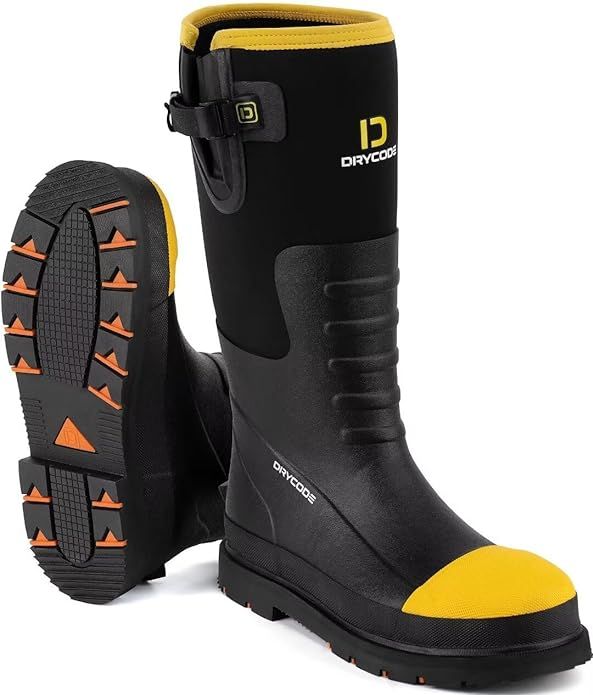
Your feet carry you through every shift. They handle every deadline and every challenge at work. But are they properly protected?
The right footwear can mean the difference between a safe day and a serious injury. Whether you’re on a construction site, a factory floor, or in healthcare, protection matters.
Choosing the right leg protection isn’t just about compliance. It’s about walking out of work as healthy as you walked in. Let’s find what actually works for you.
Key Takeaways
- Different workplaces need different leg protection
- Steel toe, composite toe, and alloy toe each serve different purposes
- Comfortable, lightweight options get worn consistently
- The right footwear prevents injuries and saves money
Why Your Work Environment Matters
You need to understand this: your buddy’s favourite boots might be wrong for you. Construction workers face falling hammers. Healthcare staff deal with spills. Electricians can’t risk conductive materials.
Over 10-15% of workplace disability claims involve foot injuries. Most were preventable with proper footwear.
Before you buy safety shoes online, ask yourself a question. What am I protecting against? Heavy objects? Wet floors? Live wires? Chemical spills? Your answers will guide your choice.
The Main Types You Need to Know
- Steel-Toe Shoes
Steel-toe shoes are the workhorses of industrial safety footwear. They handle serious impact like a champ. They’re perfect for warehouses and construction sites. These are places where “oops” means something heavy just fell.
They’re heavier than other options. But when a pallet drops, you’ll appreciate them.
Today’s safety shoe brands have gotten smarter. Modern steel-toe boots don’t look like medieval armour. They don’t feel like you’re dragging weights around.
- Composite Toe
Composite boots use materials like Kevlar or carbon fibre. No metal involved.
They’re lighter. They won’t set off metal detectors. They don’t turn into ice blocks in winter. They don’t become hot plates in summer.
The catch? They’re bulkier. They might not handle extreme impacts quite as well. But for most jobs, they’re plenty protective. They’re way more comfortable for long shifts. That’s why lightweight safety shoes with composite toes are taking over.
- Proper Fit Ladies’ Shoes
Women deserve safety shoes for women that actually fit. Not just smaller men’s boots. Proper women’s safety footwear demands narrower heels, different arch needs, and realistic sizing.
Squeezing into ill-fitting safety shoes for men causes problems. Blisters. Foot pain. Reduced protection because you won’t wear them properly.
Whether you need construction shoes or lighter options, get the fit right first.
- Work Boots with Metatarsal Guards
Metatarsal guard boots extend protection over the top of your foot. If things fall from above in your workplace, these are essential. Think steel mills or heavy equipment sites.
A regular steel-toe shoe protects your toes. But it leaves the rest of your foot vulnerable.
- Safety PVC Gum Boot
These are best for wet and messy work, if you’re standing in water, chemicals, or mud all day. Regular work boots will fail you fast. PVC gum boots keep your feet dry. They keep you protected.
Food processing relies on these. So do agriculture, fishing, and chemical plants.
If you’re around hazardous liquids, chemical-resistant properties aren’t optional. And seriously, get anti-slip work shoes with features. Wet floors and smooth soles are a recipe for disaster.
- Other Leg Protection Equipment
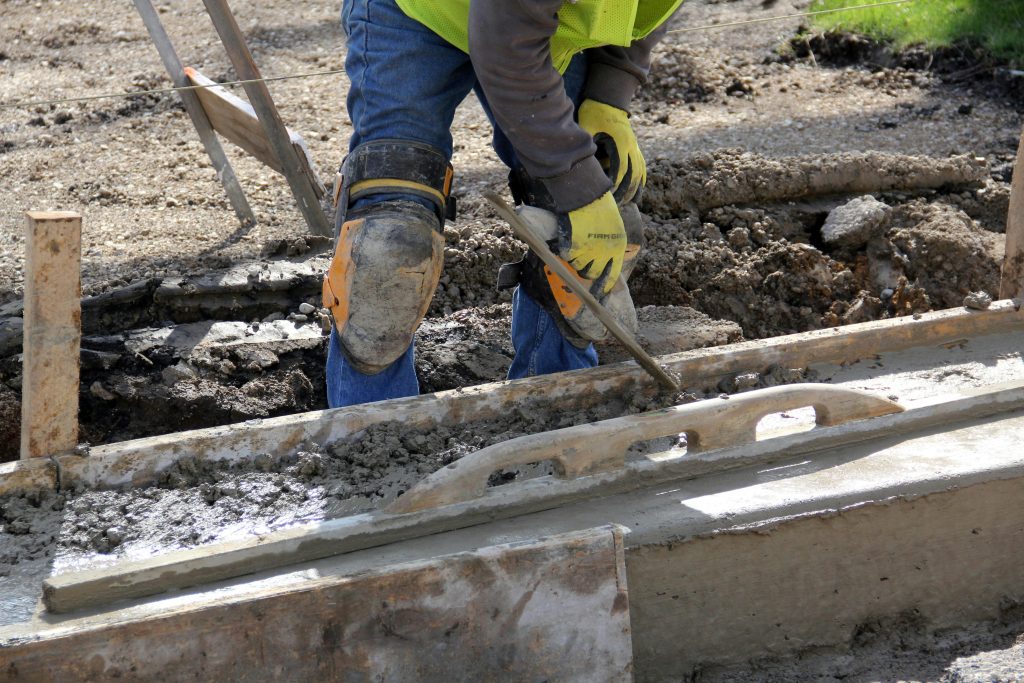
Sometimes boots aren’t enough. Welders need spats to keep sparks out. Forestry workers need chainsaw-resistant leg guards. Some jobs need integrated knee pads.
These other leg protection accessories fill the gaps. Footwear alone can’t cover everything.
Picking the Right Safety Shoe for Your Job
- Construction
You need puncture-resistant soles. You need solid toe protection. You need ankle support. Electrical hazard ratings are usually mandatory, too. Look for durable safety shoes designed for construction environments.
- Manufacturing and Warehouse
Slip resistance and toe caps are priorities. You’re constantly moving. Lightweight safety shoes will save your energy for actual work.
- Healthcare and Food Service
Slip-resistant soles matter most. Easy cleaning is essential. Toe protection isn’t always required. But many healthcare workers choose it after close calls.
- Oil, Gas, and Chemicals
Chemical resistance isn’t negotiable. Neither is puncture protection. Often, metatarsal guards are required, too. Static-dissipative features prevent dangerous sparks around flammable materials.
Making the Purchase Decision
When you buy shoes online, check certifications. Make sure they match your industry needs. Read real reviews about comfort and durability. Skip the marketing copy.
Try shoes in-store first. Especially when switching brands.
Whether you’re shopping for safety shoes in Sri Lanka or anywhere else, remember this. Cheap boots that hurt won’t get worn. That defeats the entire purpose. Quality industrial safety shoes are an investment. They protect your daily comfort. They protect your long-term health.
Conclusion
The right footwear and leg protection aren’t about passing inspections. It’s about protecting your ability to work tomorrow. And every day after.
Whether you need lightweight safety shoes, metatarsal guard boots, or chemical-resistant options, match protection to your risks. Your actual risks.
Don’t wait for an injury to take this seriously. Your feet literally carry your career. Treat them right.
Frequently Asked Questions
- What is the difference between steel-toe, composite-toe, and alloy-toe boots?
Steel-toe uses steel caps, the heaviest but most protective. Composite uses non-metal materials, such as Kevlar, lighter and non-conductive. Alloy uses aluminium or titanium, somewhere in between the two.
- What industries require mandatory foot and leg protection PPE?
Construction, manufacturing, warehousing, oil and gas, chemical processing, metalworking, food processing, and mining all require safety footwear due to the hazards present in these workplaces.
- How do I choose the right shoes for my work environment?
Identify your main hazards first: Falling objects require toe protection, electrical work requires an EH rating, chemicals require resistant materials, and slippery floors require anti-slip soles.
- What are metatarsal guard boots, and who needs them?
They’re boots with extended protection over the top of your foot. People working in foundries, steel mills, or anywhere there are overhead falling hazards should wear them.
- What type of boots protect against chemicals and hazardous liquids?
Seamless construction PVC or rubber safety boots, with chemical-resistance ratings. Always verify chemical compatibility before buying for your particular chemicals.