Understanding Fire Classes and Which Extinguisher to Use for Each (A, B, C, D, F, K Fires)

Types of Footwear and Leg Protection PPE for Various Industries
January 1, 2026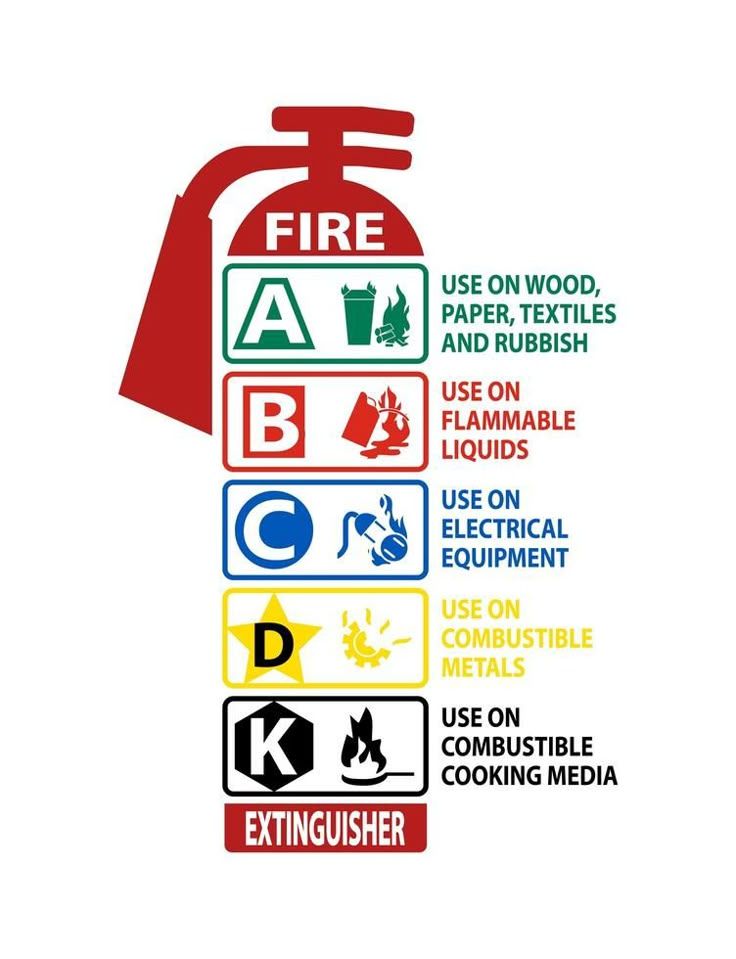
What if you are preparing something tasty in the kitchen, and the pan catches on fire. It’s scary, right? You want to reach up and take that red tank on the wall. But wait, is it the right one?
Even taking the wrong gear can only make the situation even more difficult. It is not only about having the equipment, but it is also about knowing what to actually do with the equipment once you become panicked.
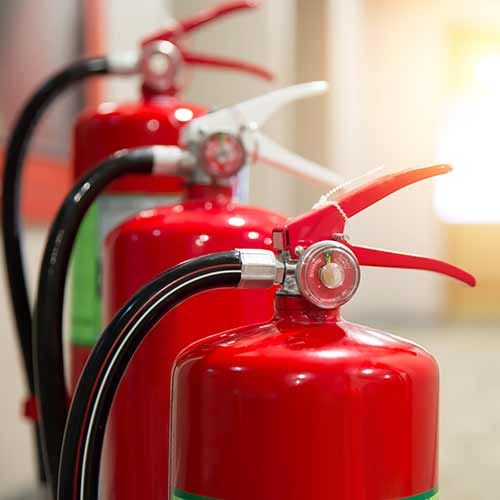
It is like this, not every fire is identical, and neither are extinguishers. Making a purchase of the best fire extinguisher at home or dealing with industrial fire extinguishers in the workplace, the ability to differentiate between Class A, B, C, D, F, and K fires may actually be a matter of life and death.
We will deconstruct the types of fire extinguishers, and you will be aware of which one to pick in case something goes wrong.
Key Takeaways
- Select the extinguisher for the fire: Miscalculation means greater problems.
- The type of fire is determined by the material being burnt.
- Most of the everyday fire challenges are dealt with by ABC extinguishers.
- Color codes provide fast visual cues when you have one or two seconds to live.
Main Classes of Fires and Their Differences
- Class A: Ordinary Stuff
Wood, paper, cloth, and plastic, that is, the stuff that surrounds your home or office daily. Which fire extinguisher to apply to Class A fire? Water or foam should be used as it will cool the ignition down and prevent re-ignition.
- Class B: Flammable Liquids
Petrol, oil, paint, kerosene, these need foam, CO2, or dry powder. What extinguisher should you use for flammable liquids like petrol? Never water. It’ll just spread the burning liquid everywhere and make your day much worse.
- Class C: Flammable Gases
Propane, butane, and natural gas fires. A Class C fire extinguisher uses dry powder, but your first move should be shutting off the gas supply.
- Class D: Metal Fires
What is Class D fire, and how can it be controlled? These are rare but scary, think burning magnesium or lithium. You need a specialized powder designed extinguisher for metals because regular extinguishers can actually react violently with burning metal.
- Class F & K: Kitchen Grease Fires
Commercial kitchens deal with these. Class F fire extinguishers and Class K fire extinguishers both use wet chemicals that cool the oil and create a barrier. That grease fire from your deep fryer? This is what you need.
Identify Fire Classes and Stay Safe
Know your environment. The fire extinguishers that you require in your kitchen are not the same as those that you require in your garage or office. Test how to know the types of fire depending on the type of materials you work with or live in.
Are fire extinguishers expired, and how do you know? Yep, usually 5-15 years. Search for the date of manufacture and monthly examine the pressure gauge. The needle is expected to be in the green zone. If it’s not, get it serviced.
What is the point of the fire extinguisher color code during crises? Colors are not difficult to see compared to words when panicking. Red water, black CO2, blue dry powder, cream foam. You know these, and you will be able to take the right one without thinking.
Matching Extinguishers to Your Needs
- The ABC Fire Extinguisher
This is your workhorse. An ABC fire extinguisher handles ordinary combustibles, flammable liquids, and gases, basically, most fires you’ll encounter. It’s why they’re everywhere in homes and offices. But here’s the catch: the dry powder is messy and not great for sensitive electronics or commercial kitchens.
- CO2 Extinguishers
Why are CO2 extinguishers recommended for electrical fires? Simple, they don’t conduct electricity and leave zero residue. Perfect for server rooms and anywhere with expensive electronics. They also work on Class B fires, making them super versatile.
Which type of fire extinguisher should you never use on electrical fires? Water-based ones. You’ll get electrocuted or cause shorts that spread the fire faster.
- Water and Foam
Great for Class A fires in offices and warehouses. Just keep them away from electrical panels and fuel spills.
- Specialized Industrial Fire Extinguishers
Metal workshops need Class D extinguishers. Restaurants need Class F or K systems. When you’re doing a fire risk assessment, match your fire extinguisher equipment to what could actually catch fire in your space.
For fire extinguishers Sri Lanka businesses can trust, you need to think about your specific industry risks.
Conclusion
Look, it is not that difficult to know classes of fire and those types of fire extinguishers. Class A is regular stuff, Class C is liquids, gas is Class C, metals are Class D, and cooking fires are in Class F/K. Pair your equipment with your real risks and you are good.
Be it a multipurpose ABC extinguisher or a specialized gear when dealing with specific hazards, it is not until smoke fills the air that you will realize what you need to use. Carry out a good fire hazard assessment and establish yourself.
FAQs
- Can one extinguisher work for all fire types?
No, and buying just one could leave you vulnerable. ABC extinguishers cover most common fires, but won’t work on metal fires (Class D) or kitchen oil fires (Class F/K).
- How do fire extinguisher color codes help in emergencies?
When panic hits, you don’t have time to read labels. Color codes let you instantly grab the right one (red for water, black for CO2, blue for powder, cream for foam).
- Is an ABC extinguisher enough for home or workplace use?
Yes, in most homes and offices, but you will use Class F / K extinguishers when they have a commercial kitchen or rooms with heavy electronics will need rooms with high CO 2 types.
- What happens if you use the wrong type of extinguisher on a fire?
You might do more to be injured, water on electrical fires may electrocute you, water on oil fires propagates the blaze, and inappropriate extinguishers on metal fires might detonate.
- Do fire extinguishers expire, and how can you check?
Yes, they normally have a life span of 5-15 years- look at the date of manufacture printed on the label and ensure that the needle of the pressure gauge is in the green zone after every month.